
Global Helium Supply Crisis: Why It Matters on July 11, 2026

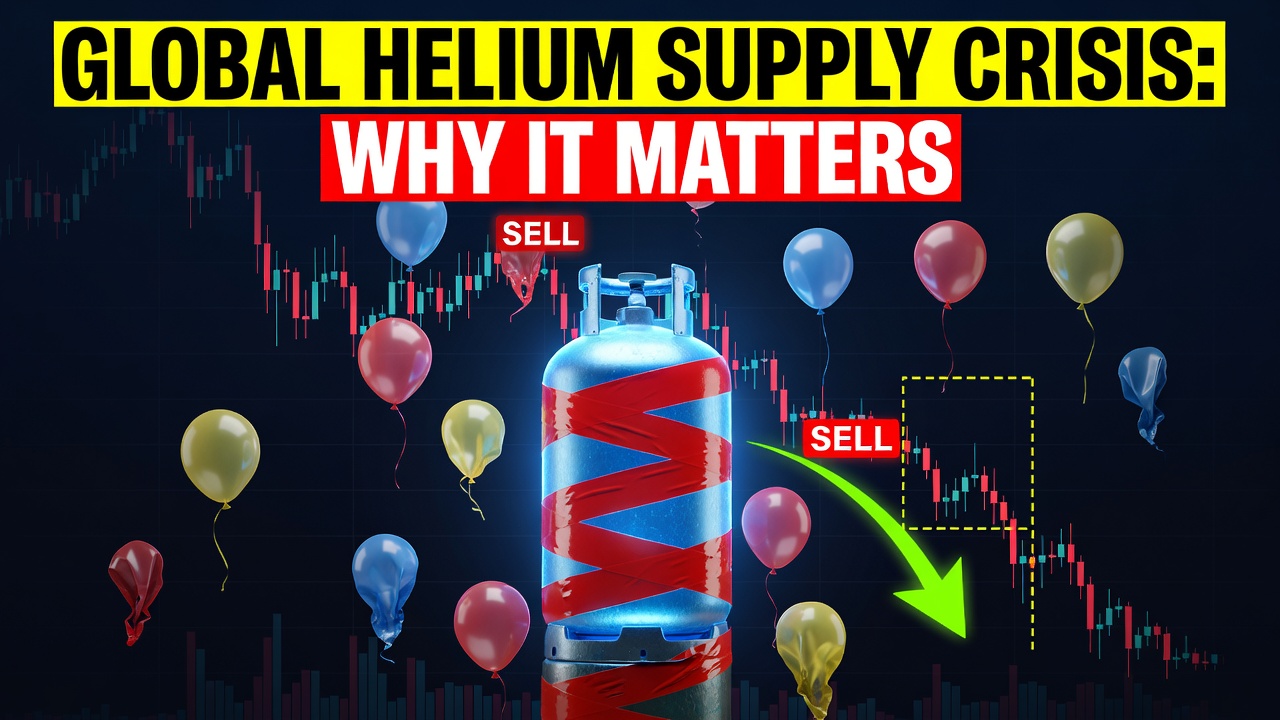
☡ Key Takeaways — July 11, 2026
- China has banned helium exports, weaponizing a critical industrial gas during a major global supply squeeze.
- A deepening outage in Qatar has already choked off international helium pipelines, leaving semiconductor and aerospace manufacturers highly vulnerable.
- Traders should position for severe supply chain bottlenecks in high-tech manufacturing and potential surges in specialty chemical equities.
A massive geopolitical shockwave just hit the global tech supply chain on July 11, 2026. China’s decision to ban helium exports is set to trigger a violent repricing event in industrial gas and semiconductor markets.
1. The Helium Export Ban Weaponizes a Rare Commodity
China has officially banned all helium exports, a direct strike at Western high-tech supply chains. This decision is designed to squeeze global manufacturers who rely heavily on this non-renewable element for cooling semiconductor tools and launching rockets.
By restricting this critical input, Beijing is displaying its leverage over advanced manufacturing. This is not a temporary policy shift; it is a structural escalation in the ongoing global trade war.
2. The Qatar Outage Compounds the Shortage
Making matters worse, a severe supply outage in Qatar has already taken a massive portion of the world’s helium offline. Qatar is one of the premier global exporters, and this compound failure leaves Western buyers with virtually zero safety buffer.
The simultaneous loss of Qatari output and Chinese exports means industrial gas distributors must now ration supply. Contract prices for liquid helium are expected to skyrocket in the coming days.
3. The Pain Ripple Through Tech and Aerospace
Semiconductor fabrication plants, or fabs, cannot run without liquid helium to cool the silicon manufacturing process. Aerospace companies also require massive volumes of the gas to pressurize rocket fuel tanks before launch.
Traders must look beyond the immediate chemical suppliers and evaluate the downside risk to semiconductor manufacturers. Production halts or soaring input costs will compress margins for chipmakers who lack secure, domestic supply chains.
🎯 Get High-Probability Trade Setups — Free
The Big Dipper Dashboard delivers curated trade ideas straight to your screen every morning. Know what to watch before the opening bell.

The Contrarian Take
While the market will panic over semiconductor shortages, the real winner of this crisis will be domestic recycling technology. Companies that specialize in helium recovery and recycling systems will see unprecedented demand as fabs are forced to reuse every liter of gas they possess. What looks like a pure supply disaster will catalyze a massive, high-margin capital expenditure boom in industrial recycling tech.
Hottest Sector Today
The industrial gases and specialty chemicals sector is the clear focus today. Companies specializing in gas sourcing, purification, and distribution will see massive volatility as global pricing benchmarks are redrawn. Look for domestic producers with secure North American reserves to catch immediate tailwinds.
Trader’s Take
We are highly bearish on global semiconductor manufacturers that lack long-term, fixed-price domestic gas contracts. The double-whammy of the Qatar outage and the Chinese export ban will force localized production slowdowns. Sell the short-term rallies in highly exposed Asian and European chip fabricators. Conviction: high.
What to Watch Tomorrow
Monitor updates on the estimated duration of the Qatar export facility outage.
Watch for retaliatory trade restrictions from Western nations targeting Chinese industrial tech.
Track commodity price updates for crude helium and bulk liquid distribution rates.
Frequently Asked Questions
Q: Why is helium so critical for semiconductor manufacturing?
A: Helium has unique cooling properties and chemical inertness that make it irreplaceable for controlling extreme heat during the silicon wafer etching process.
Q: How does the Chinese export ban affect US tech companies?
A: US tech companies will face immediate supply chain friction and surging input costs, forcing them to pay premium prices to secure domestic or alternative Western gas sources.
Q: Are there any direct substitutes for helium in industrial manufacturing?
A: For most high-tech applications, including semiconductor cooling and rocket pressurization, there are no viable chemical substitutes that can match helium’s low boiling point and stability.
📈 Want More? Join Our Free Trading Community
- Trading Strategy Guides Telegram — daily strategy tips and market insights
- Find Better Trades Telegram — free trade signals delivered to your phone
- Find Better Trades on YouTube — live trade breakdowns and tutorials